
Why Medieval Wales Is Perfect for Historical Fiction
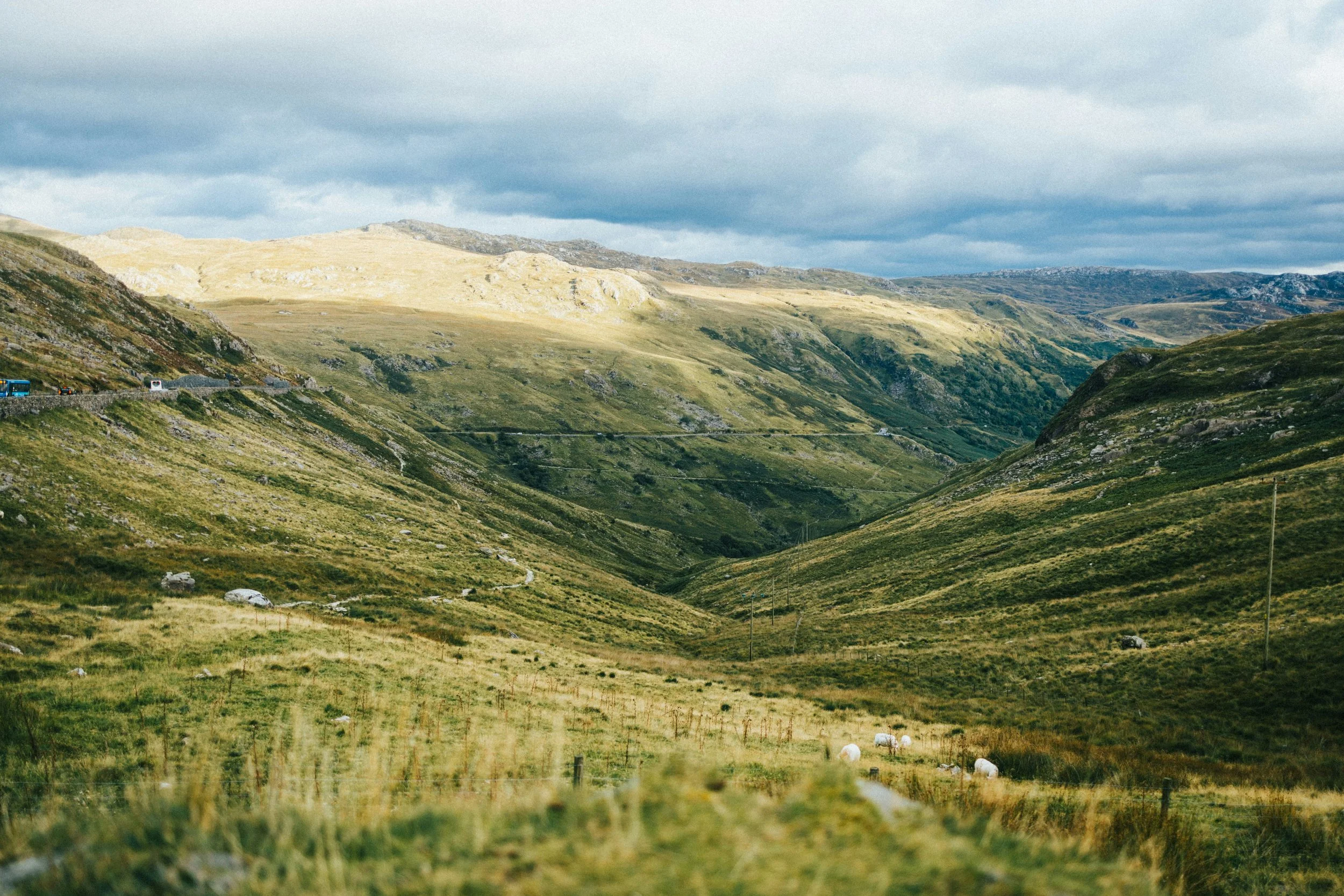
Wales is a country where the mountains hold old griefs, the rivers carry rumour, and the wind across the high passes sounds like a bard beginning a tale. It is a country made for historical fiction: beautiful, perilous, intimate and wild. In medieval times, its castles were built on contested ground, its courts were alive with ambition, its families were bound by love, blood, rivalry and betrayal and its women watched, endured, governed and sometimes defied the world expected of them.
For readers who love historical fiction rich in atmosphere, emotion and intrigue, medieval Wales offers something rare. It is both epic and close to the bone.
Arianwen Nunn’s Welsh novels draw deeply from this world. In The Welsh Traitor’s Daughter, The Welsh Warrior’s Inheritance, Bards Sing of Love and War, Where Loyalties Burn and Kinstrife, Wales is never merely a backdrop. It breathes through every page. The mountains, forests, sea roads, valleys, hearths and royal courts are part of the story’s pulse. They shape the choices of princes, wives, daughters, warriors and exiles. They remind us that history is not only made in great halls or on battlefields, but in whispered warnings, dangerous journeys, divided loyalties and the quiet courage required to survive.
Medieval Wales was not a neat, settled kingdom but a shifting world of rival dynasties, fragile alliances and watchful enemies. Gwynedd, Powys, Deheubarth and the Marches formed a landscape where power was always being tested. A prince might be a brother one day and a threat the next. A marriage could secure a kingdom or sharpen old resentments. A journey to the English court might bring honour, imprisonment or death. This uncertainty gives fiction its finest tension: nothing is safe, and no loyalty is simple.
Wales lends itself beautifully to stories of kinship and conflict. In Kinstrife, the very title suggests one of the great themes of medieval Welsh history: the danger that comes not only from outside invaders, but from within the family itself. Brothers, cousins, uncles and sons might all stand close to power, and therefore close to betrayal. In such a world, love is never uncomplicated, inheritance is never merely legal and blood can bind, but it can also burn.
In Where Loyalties Burn, that same sense of inner division and political fire comes to the fore. Loyalty in medieval Wales is not a simple virtue. It is a question asked again and again: loyalty to whom? To husband, father, child, king, kingdom, bloodline, honour, or survival? In Arianwen Nunn’s fiction, characters are often caught between these claims, and the drama lies not only in what they choose but in what each choice costs them.
Then there are the women. One of the great gifts of medieval Wales as a setting is that it allows women to be written with depth, dignity and force without pulling them out of their own time. In Bards Sing of Love and War, Angharad is left to hold a vulnerable kingdom together while Gruffydd of Gwynedd is summoned before Henry I of England. She is no silent wife waiting in the shadows. She must govern, protect, negotiate and endure. Gwenllian, too, carries the fierce urgency of a woman who refuses to let history happen around her without reaching for a place within it.
This is one of the reasons Arianwen Nunn’s books feel so alive. They do not simply ask what kings did, or which armies marched. They ask what it meant to be the wife left behind, the daughter used in alliance, the mother guarding her children, the woman listening at the edge of power and understanding more than men suppose. Their courage is not always loud. Sometimes it is found in restraint, patience, watchfulness and the refusal to disappear.
Medieval Wales also offers the irresistible presence of the bard. In this world, poetry was not decoration. It was memory, politics, praise, warning and identity. A bard could preserve a lineage, celebrate a victory, shame a coward or keep alive the name of a fallen prince. In Bards Sing of Love and War, the title itself captures the deep truth of this setting: in Wales, love and war are not separate histories. They are sung together.
The landscape deepens everything. A castle is never just stone; it is a threat on the horizon. A river is not merely water; it is a boundary, a road, an escape. A mountain pass may shelter a fugitive or swallow an army. A royal court may glitter with ceremony, but beneath the songs and feasting lie ambition, fear and calculation. Wales gives historical fiction atmosphere in abundance, but it also gives it meaning. The land itself seems to ask who belongs, who rules, who remembers and who will be forgotten.
That is the power of Arianwen Nunn’s medieval Wales. Her novels enter the spaces where history leaves silence. They take real figures, real tensions and real places, then imagine the human heart beating within them. They give readers not only battles and betrayals, but grief, longing, motherhood, marriage, pride, fear and hope.
For those who enjoy historical fiction filled with political intrigue, family conflict, strong women, dangerous loyalties and richly imagined settings, medieval Wales is an unforgettable place to begin. Arianwen Nunn’s books open the door to that world of princes and rebels, wives and daughters, bards and warriors, love and war.
Medieval Wales is perfect for historical fiction because it contains everything the genre does best. It has grandeur, but also intimacy. It has war, but also song. It has kings, but also women holding kingdoms together in their absence. It has loyalty, but never without danger. It has love, but never without cost.
Above all, it has stories that still feel as if they are waiting in the mist, half-hidden among the mountains, carried by the bards, and ready to be remembered again.