
The Norman impact on Wales: why historians tell it so differently
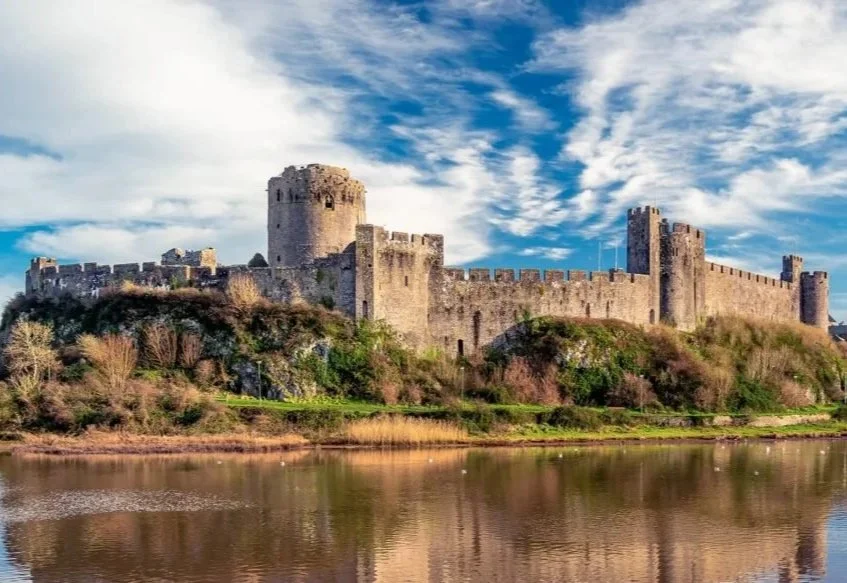
If you’ve ever visited a Welsh castle and felt two stories tugging at you at once—“this is foreign conquest” and “this is now part of Wales”—you’ve stepped right into the historian’s dilemma.
Because the question “How did the Normans really impact the Welsh?” has never had one stable answer. Not because the evidence isn’t there, but because historians often write with an underlying purpose: to explain identity, justify power, celebrate resistance, or make sense of how Wales fits (or doesn’t fit) within a wider Britain.
Here’s the simple trick: the “Norman impact” you get depends on what the historian is trying to achieve in retelling the story.
1) The “princes-and-survival” version
Early Welsh histories (think Elizabethan-era writers like Humphrey Llwyd, then David Powel) tended to frame Welsh history around native rulers—princes, wars, successions—ending with Edward I’s conquest. In that structure, the Normans appear, but they don’t become the main turning point.
Why? Because the goal was to show Wales had its own political story and a continuous Welsh identity.
Result: Normans = important trouble on the edges, but not the centre of the national narrative.
2) The “Marcher lens” version
Antiquaries writing about counties and border lordships (like Glamorgan or Pembrokeshire) zoomed in on the Marcher lordships—those semi-independent territories the conquerors carved out and ruled with huge autonomy.
Here, the Normans matter more because the writer is explaining:
why local law and governance looked different
why some families claimed “Norman” origins
why the March was such a strange political creature until Henry VIII’s reforms
Result: Normans = the architects of a long-lasting “border world.”
3) The “progress vs. princes” version
Some 18th–19th century historians (especially a few English writers, and a minority of Welsh ones) leaned into an idea that the Normans brought “improvement”: castles, towns, new administration, church reforms, “order.” Native Welsh rulers, by contrast, could be painted as chaotic, divided, or backward.
That’s not “neutral history.” It’s history written to support a particular moral: conquest was regrettable but ultimately beneficial.
Result: Normans = modernisers; Welsh princes = the obstacle.
4) The “patriotic resistance” version
Other 19th-century writers—particularly those writing in Welsh and writing for Welsh readers—used the Norman period as a stage for a bigger point: the Welsh refused to submit in the way the English did in 1066.
So the story becomes emotionally clear:
Normans = aggressors
Welsh = courageous, stubborn, wronged, resilient
disunity among Welsh leaders = the tragedy inside the tragedy
Result: Normans = the perfect foil for a national resistance story.
5) The “modern academic Wales” version (J. E. Lloyd and after)
J. E. Lloyd’s landmark work in the early 1900s professionalised Welsh medieval history—more sources, more rigour—but his core mission was still to explain “the making of the Welsh people.” That tends to pull attention back toward Welsh rulers and Welsh continuity, and away from making the Norman settlers the stars of the show.
Then, late 20th century historians (notably Rees Davies) made a decisive shift: Wales wasn’t treated as only the story of one ethnic group. Instead, Wales became a place with multiple communities—Welsh, Norman, Flemish, Marcher—whose coexistence and conflict shaped the country.
Result: Normans stop being a side-plot and become part of the main cast.
So… how did the Normans really impact Wales?
A grounded, non-mythic answer is something like this:
They transformed the border and much of the south through castles, lordships, settlement, and new power structures.
They didn’t erase Welsh society—large parts of Wales stayed under native rule for centuries, and Welsh identity proved remarkably durable.
They created a “mixed Wales” in the March: bilingual, hybrid, contested—and hugely influential in shaping later Welsh history.
In other words: the impact was real, but uneven. And historians choose which unevenness to spotlight depending on what story they’re trying to tell.
A castle-and-landscape itinerary to visit the key Norman/Welsh sites
This route covers the places you’ve been circling: Cardiff Castle, Caerphilly Castle, Chepstow Castle, Pembroke Castle, Montgomery Castle, Hen Domen, and (because it’s part of the story you’re working with) Gregynog.
Best bases (minimal packing/unpacking)
Cardiff (2 nights) – ideal for Cardiff + quick day-trips to Caerphilly & Chepstow
Pembrokeshire (2 nights) – stay in Tenby or Pembroke for Pembroke Castle + coast
Montgomery / Welshpool / Newtown (2 nights) – for Montgomery Castle, Hen Domen, Gregynog
Day 1 — Cardiff: begin where the Norman footprint is easy to see
Stay: Cardiff
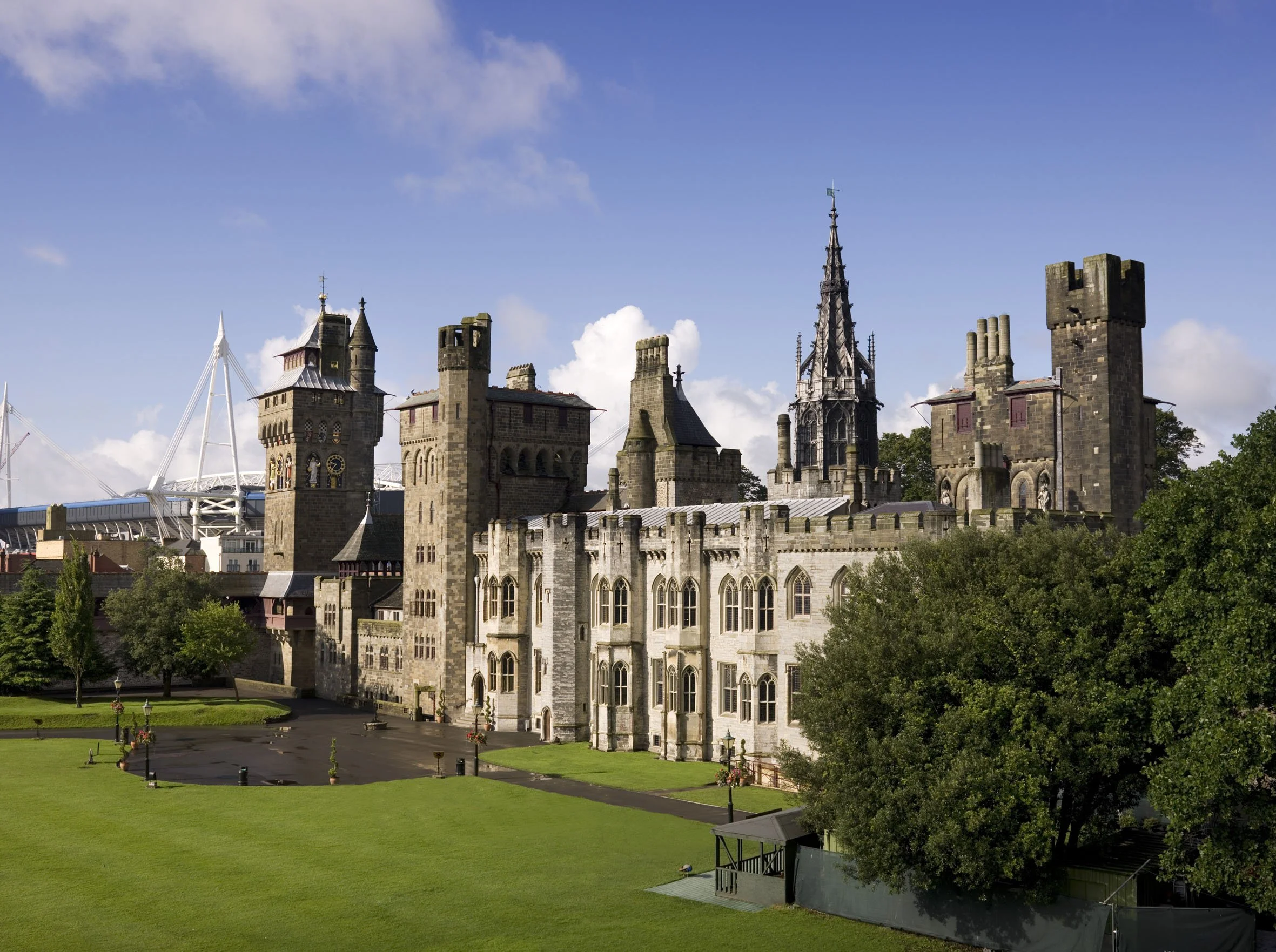
Do: Cardiff Castle (right in the city centre). Visitor info is on the official site (note: they advise no on-site parking). Cardiff Castle+1
Evening: easy city dinner + stroll through the arcades.
Day 2 — Caerphilly: the “wow” castle with water defences
Stay: Cardiff
Drive: ~20 min Cardiff → Caerphilly Rome2Rio
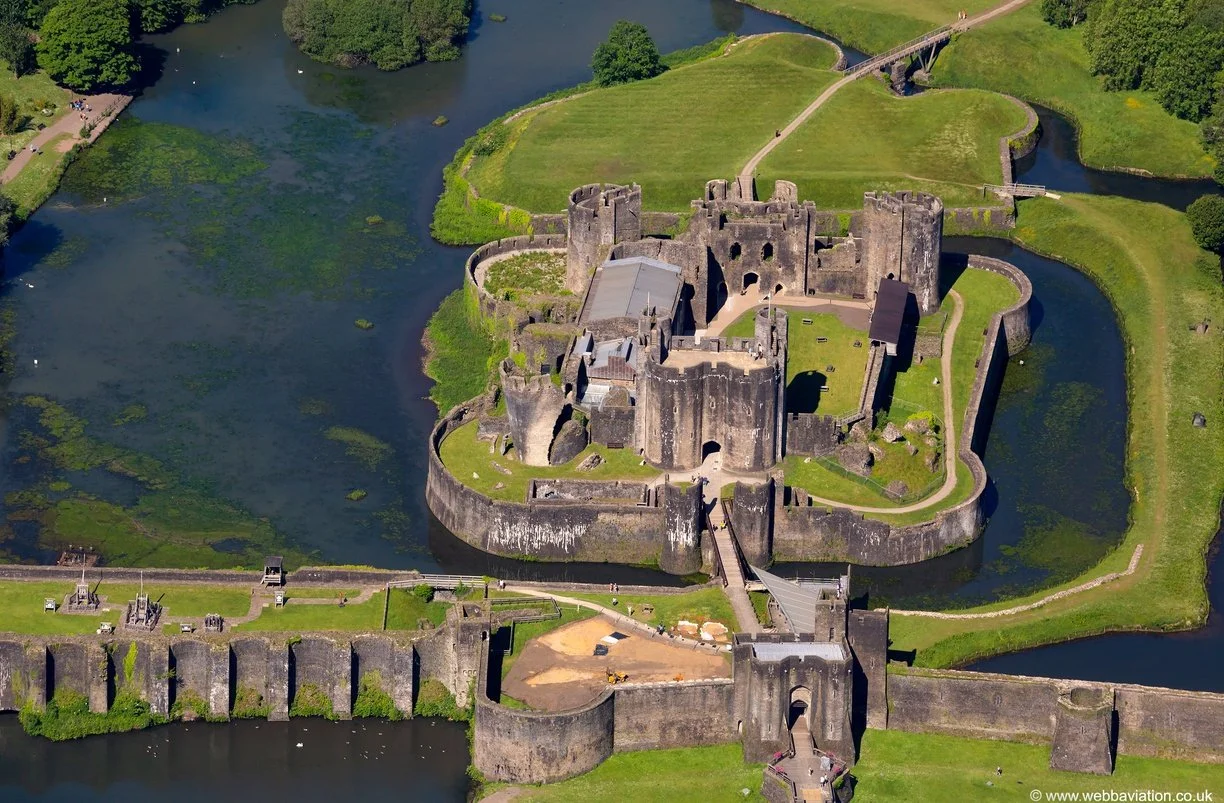
Do: Caerphilly Castle (Cadw). Cadw
Optional add-on: quick stop at a viewpoint or a short walk—this is a great “take it in” day.
Day 3 — Chepstow: the March on a cliff edge
Stay: Cardiff or head west and overnight Pembrokeshire (recommended if you want momentum)
Drive: ~40–45 min Cardiff → Chepstow Rome2Rio
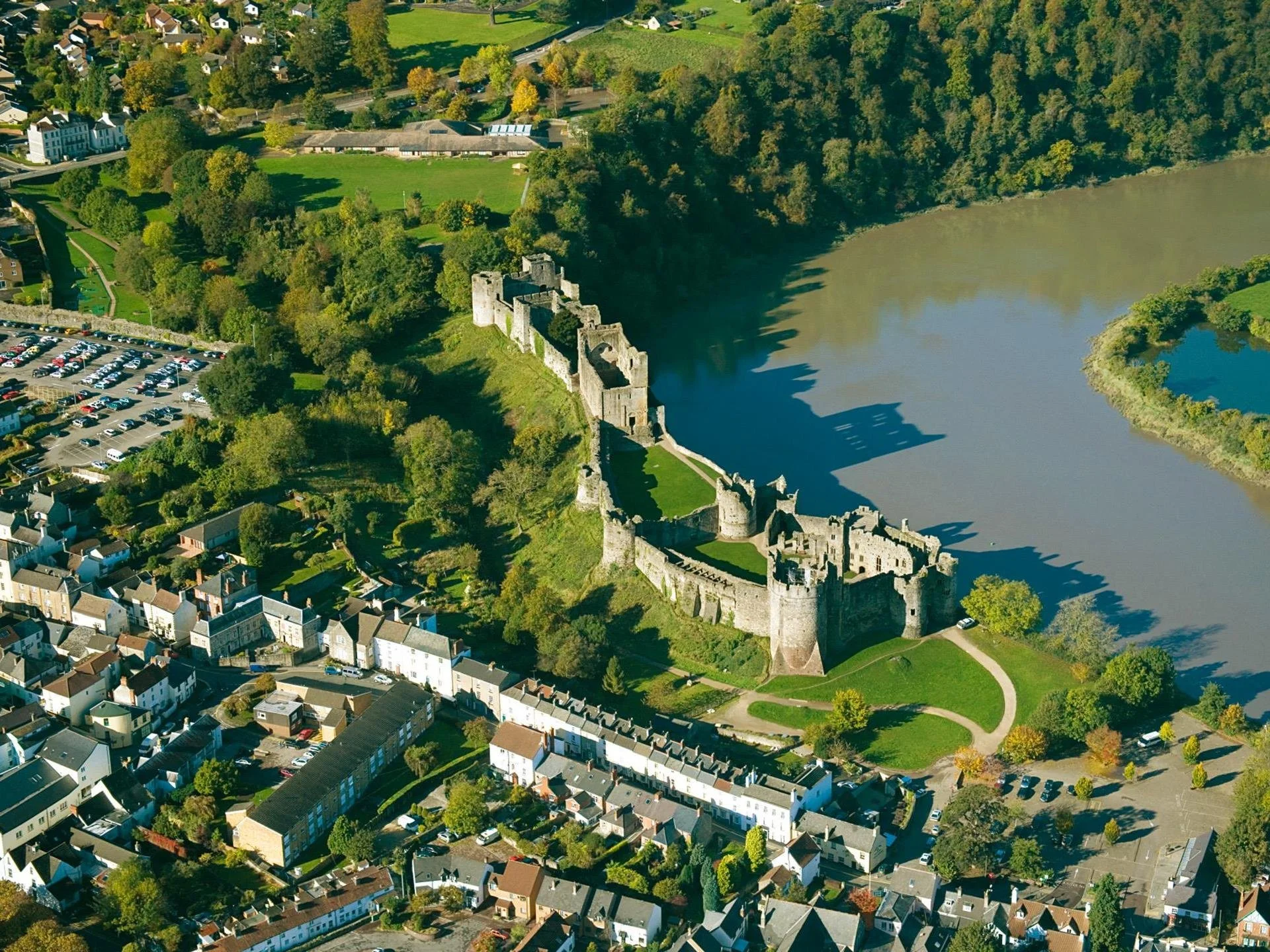
Do: Chepstow Castle (Cadw) above the River Wye. Cadw
Optional add-on: Tintern Abbey (nearby) for atmosphere and contrast.
If you’re moving on: drive west toward Pembrokeshire in the late afternoon.
Day 4 — Pembroke: the powerhouse fortress
Stay: Tenby or Pembroke (2 nights total in the area)
Drive (if from Cardiff): ~1 hr 45 min Cardiff → Pembroke Tripadvisor
Do: Pembroke Castle (check seasonal hours). Pembroke Castle+1
Evening: Tenby is brilliant for food + seaside vibe; Pembroke is quieter and practical.
Day 5 — Pembrokeshire buffer day (because you’ll want it)
Stay: Tenby or Pembroke
Use this day to keep the trip “magazine beautiful” rather than castle-marathon intense:
coast walk / beach reset
St Davids area if you want the far-west feeling
(If you’d rather go fast, you can use this as a travel day toward mid-Wales.)
Day 6 — Into mid-Wales: Montgomery and the “before the stone castle” site
Stay: Montgomery (lovely small Georgian town) or Welshpool/Newtown for more lodging options
Drive: Pembroke → Montgomery is about 2.5 hours Rome2Rio
Do:
Montgomery Castle (Cadw) — the stone castle that replaced the nearby wooden fort of Hen Domen. Cadw+1
Hen Domen — you can see it from the lane, but it’s on private land (view-from-the-road site). Heneb+1
Day 7 — Gregynog: the “step back and think” day
Stay: Newtown/Montgomery area (or depart after)
Do: Gregynog’s grounds and Grade 1 listed gardens—open access to the wider estate is a big part of the appeal. Gregynog+2Gregynog+2
Handy note: Gregynog is near Tregynon, about 6 miles north of Newtown. Gregynog
If you want the same trip in 4 nights
2 nights Cardiff (Cardiff + Caerphilly + Chepstow)
1 night Pembrokeshire (Pembroke Castle)
1 night Montgomery/Newtown (Montgomery + Hen Domen + Gregynog next morning)